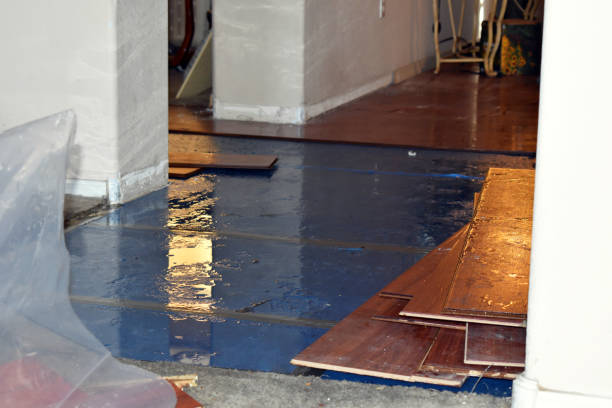
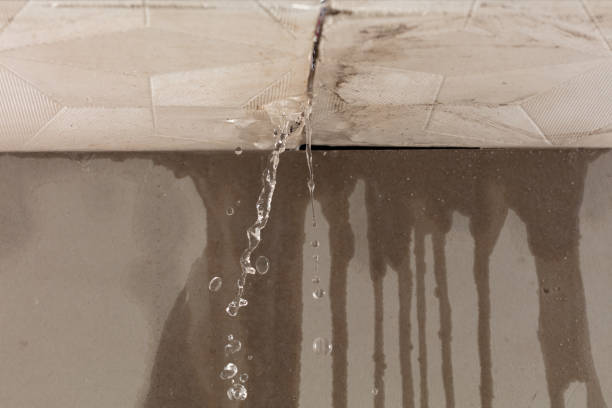
A structure that looks dry on the surface can still hold dangerous moisture inside walls and subfloor. Our Structural Drying And Dehumidification process tests what you can't see, not just what you can.
Call +1-844-833-1325 Now
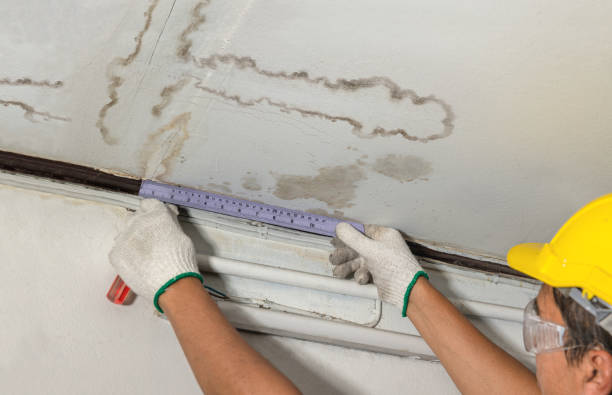
A moisture meter reading is compared against a dry reference point in the same structure, not a fixed number, since normal moisture content varies by material and by region.
None of this is unique to a big loss either — the same standard applies whether it's a single-room structural drying and dehumidification call or a larger one.
These four things matter together, not in isolation — certification, speed, honest pricing, and the right equipment are what actually change the outcome of a structural drying and dehumidification call.
None of these standards are unique to us in theory, but they're worth confirming before you let anyone start structural drying and dehumidification work on your property.

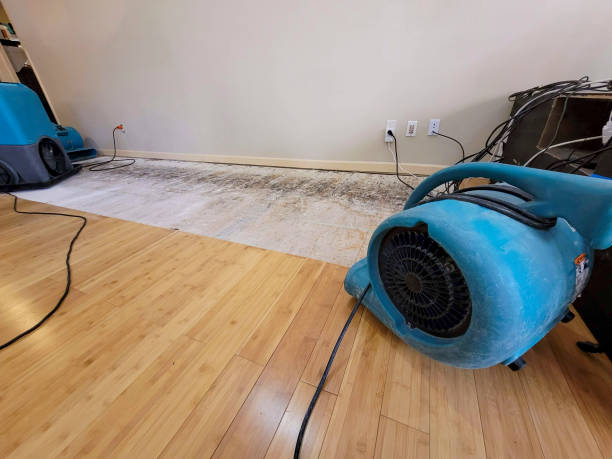
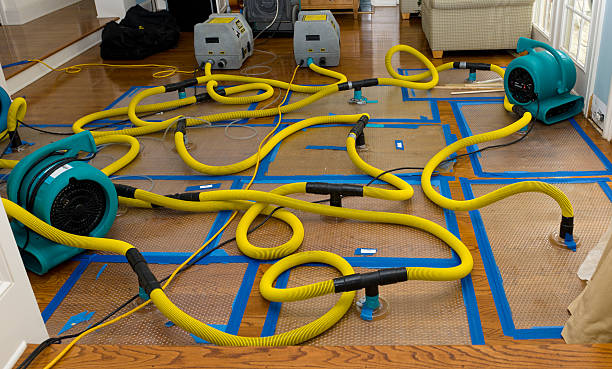
Air mover and dehumidifier placement follows actual humidity and temperature readings, not a default pattern.
Every drying job gets tracked with daily readings, giving you documented proof of progress.
Low-grain-refrigerant dehumidifiers handle humidity levels that standard consumer units can't touch.
A job doesn't close until moisture meter readings confirm a safe drying standard.
Every piece of structural drying and dehumidification work below follows the same documentation standard, whether it's a small job or a larger one.

This data drives equipment placement instead of guessing based on how a room looks.
Air movers get positioned to create optimal airflow patterns across wet materials, not just pointed at the wall.
We deploy LGR equipment specifically for jobs where humidity levels demand more aggressive extraction from the air.
Monitoring continues even after materials look dry, since surface dryness doesn't mean full drying.
Thermal cameras catch hidden moisture pockets inside walls and under flooring that a surface check would miss.
Documentation includes daily readings, equipment placement, and the final verification numbers.
This is the same sequence every structural drying and dehumidification job follows, regardless of size.
A real person answers, asks a few fast questions, and routes the nearest available crew.
Local staging is what makes rapid arrival possible, rather than a promise with nothing behind it.
A technician assesses the scope on-site and provides a written flat-rate quote before any work begins.
Work continues until the job meets our documented completion standard, verified before we call it done.


"The daily drying log meant we always knew exactly where the job stood."
Carlos V., Fayetteville"Our crawl space held humidity longer than expected and they adjusted the dehumidifier setup accordingly."
Wendy K., Fayetteville"Drying took a few extra days but they kept us updated with daily numbers instead of vague reassurance."
Marcus T., Fayetteville"Daily logs meant our facilities manager always had current numbers to report internally."
Angela F., FayettevilleIf your question about structural drying and dehumidification isn't covered here, call +1-844-833-1325 and we'll walk you through it directly.

Our structural drying and dehumidification coverage spans 28304 28306 28307 28301 28303 28308 28305 28390 28311 28310 28314 28302 28309, with trucks positioned to reach any address in the service area quickly.
Coverage extends past the immediate area, so an outlying Fayetteville address isn't treated as a lower priority for structural drying and dehumidification.